// About
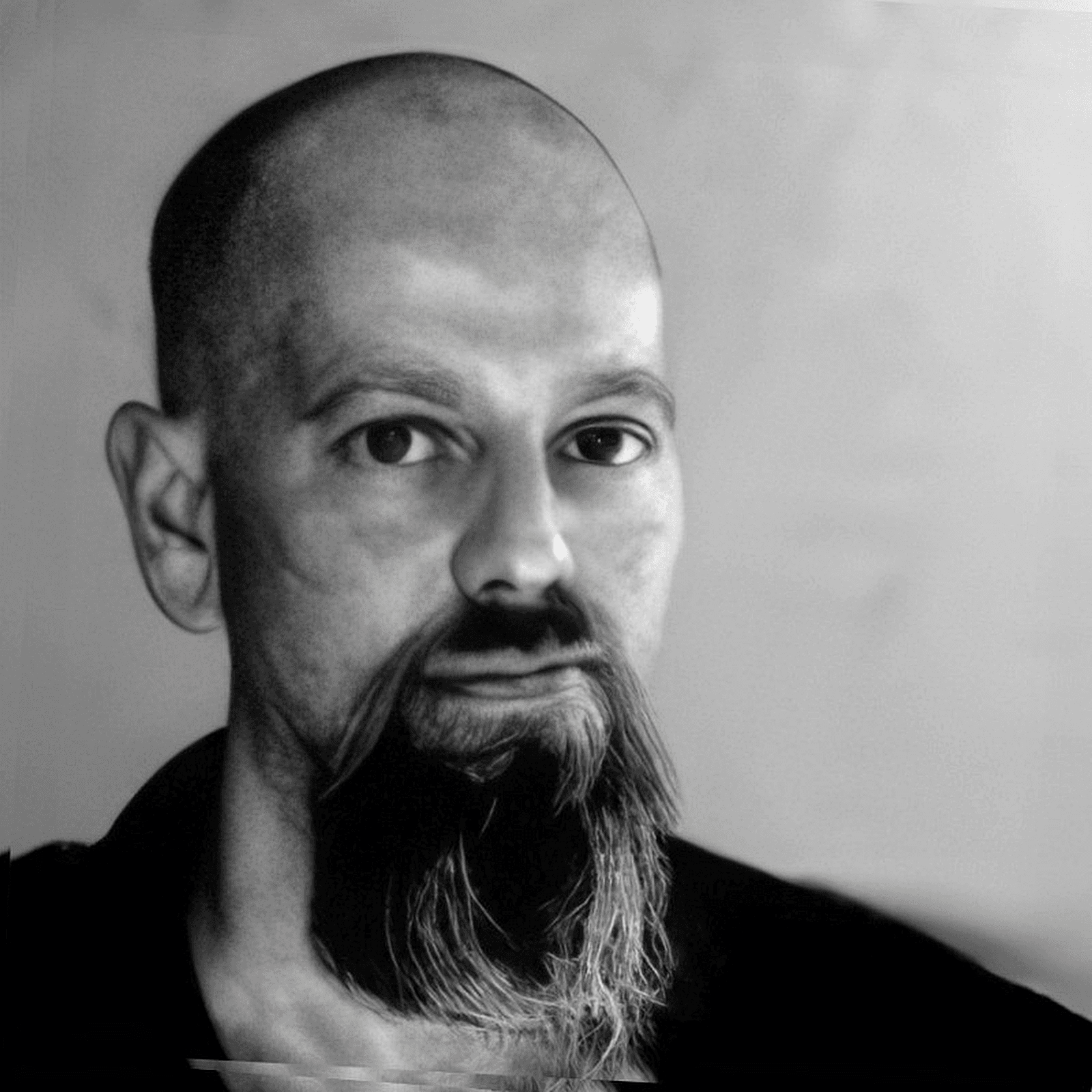
I’m Nate Van Prooyen.
A builder, consultant, and lifelong learner based in Florida. 20+ years in digital marketing and e-commerce. Now running three SaaS products and a consulting studio on my own, using AI as the scaffolding — not the crutch.
// The thesis
One person, the right AI stack, and clear processes can do what used to take a team.
BetterProcess is the through-line between everything I build. It isn’t a thought exercise — I’m proving the thesis in public, simultaneously, across three products targeting three completely different markets. The systems, skills, and playbooks I build for one product get reused across the others through a shared Obsidian vault and a custom Claude Code skill library. The knowledge doesn’t leave when the session ends. It lives in the vault.
If the model works, a solo operator with the right tooling can outperform a five-person team on most things that used to need one. That’s what I’m here to demonstrate — and what I help other founders install in their own businesses through the consulting side of the studio.
// Background
Two decades in the trenches.
I’ve spent the last 20+ years building e-commerce systems, email programs, and revenue infrastructure for brands that needed it done right, not just done. Deep Klaviyo expertise. Shopify and Magento merchants. Segmentation, retention, and the kind of email architecture that actually moves revenue — not cute design with nothing behind it.
That work is still active. Freelance consulting in e-commerce and email is a real skill set with real demand, and it’s not something I’ve walked away from. If anything, the AI layer has sharpened it — the same principles apply, the tools just compound faster.
Alongside the marketing side, I’ve lived in analytics since the early platforms through modern tools like PostHog. I move between highly technical implementation and strategic marketing thinking without needing to shift gears. That range is one of my real advantages.
// What I’m building
Three products, three different markets, one operating system.
WatchDeck
B2C streaming companion
One dashboard for every streaming service. Scoring engine, episode tracker, leaving-soon alerts. The most mature of the three — live, active users, retention infrastructure in place.
Learn more →
GapFinder
B2B SaaS market validation
Scans 750+ data sources and compresses months of founder validation into hours. Dual-LLM pipeline, Apify scrapers, per-report pricing. Strongest long-term positioning.
Learn more →
GigTemple
Freelancer co-pilot
Scheduled Upwork scraping, skill-match scoring, AI proposal drafting in your voice. Built for the solo operators spending hours a day prospecting.
Learn more →
The through-line isn’t the category — it’s the operating model. Same vault. Same skills library. Same PostHog instrumentation patterns. Same feedback widget. Build once, deploy across all three. The deltas are the domain models and the customer-facing product; the machinery underneath is shared.
// How I actually work
Claude Code + Obsidian + a skills library I trust.
Knowledge layer
Obsidian vault
Every decision, every project note, every build log entry. Markdown files, local, linked. The source of truth every session starts from.
Thinking layer
Custom skills
Slash commands that encode repeated workflows — /today, /new, /end-of-day, /scaffold-saas, /publish-from-vault. Write it once, run it identically every session.
Execution layer
Claude Code
Reads the vault. Writes code. Runs tools. Talks to external APIs. The layer that actually does work — with the context and the skills to know what to do.
The pillar post on this setup is here. It covers the architecture, the daily command surface, and the specific ways it fails — because it does fail, and understanding where is the only way to use it well.
// What I believe
Opinions that shape how I work.
Build what compounds.
Not everything needs to be automated. The things worth automating are the ones that get better every time you run them — systems, not tasks.
AI is scaffolding, not the crutch.
When it carries the whole product, the product gets replaced by the next model. When it accelerates judgment, the judgment keeps compounding.
Cross-leverage beats specialization.
The email system built for WatchDeck is directly reusable in GapFinder. The PostHog patterns are reusable everywhere. Shared infrastructure is the unfair advantage.
Ship before it’s pretty.
Day one produces something deployed, not something beautiful. Beautiful comes later. Most side projects die between “idea” and “live” — that gap is what kills them.
Opinion > neutrality.
On writing, on positioning, on technical decisions. The posts that say something specific get read and cited. The “10 tips” posts don’t.
Small teams can do huge things.
With the right stack, one person can do what used to take five. I don’t think that’s theoretical — I think it’s the default operating model for the next decade of small software businesses.
// Off the keyboard
The rest of the context.
I live in Central Florida. I’m a father, and my daughter is the most important person in my life. My core circle is small and high-quality — same way I structure most things.
I’m curious across a wide range: design, UX, analytics, CRO, photography, food, travel, architecture, automation, and countless other things. I track a lot of domains because most interesting solutions come from stealing patterns across them. The Reddit thread about standup fatigue becomes a SaaS idea. The Klaviyo segmentation model becomes a lead-scoring engine. The architecture of a city becomes an argument about software modularity.
Legacy and contribution matter more to me than money or status. That shapes what I take on and what I turn down.
Want to talk through something you’re working on?
I take on a small number of consulting and build engagements each quarter. If you have a process, product, or system that should be compounding but isn’t, reach out.